If you have ever stood beside a high‑speed blower or a twin‑screw extruder without an enclosure, you know why operators wear double hearing protection. The air seems to ripple, voices vanish, and focus drains mining equipment manufacturers away within minutes. Then comes the other side of the equation: bypassed interlocks, guards tied back with zip ties, and maintenance techs stretching around hot lines because the panel won’t open far enough. A good machine enclosure is never just a box around a problem. It is a set of decisions, embodied in steel and seals, that reconcile noise, safety, and access with production realities.
I spend my days bridging those decisions between industrial design company drawings and the behavior of real crews on real floors. This article distills what has worked across food plants, CNC metal fabrication cells, logging equipment rebuilds, and a few loud customers in mining and biomass gasification. The specifics vary by industry, but the principles travel well.
Why enclosure projects fail before they start
Most misfires begin with a single driver that pushes too hard. The safety team chases the highest guard rating and forgets that sanitation needs daily access. Maintenance wants doors everywhere and pays later in acoustic leaks. Finance insists on a thin skin with little structure, then wonders why panels drum like a snare and hinges sag in three months. The end result looks fine during factory acceptance, but the first PM, product changeover, or winter cold start exposes what the spec sheet papered over.
A better pattern starts early. Before a metal fabrication shop bends the first panel, capture real constraints from the line:
- What are the loudest conditions, and how often do they happen? Where does product spill, mist, or dust settle? Which points require daily human access, and which can be automated or moved? How will riggers remove a large component without cutting the enclosure? What schedule windows exist for installation and rework?
Keep those answers live, not buried in a PDF. Then design to a hierarchy: protect people first, protect product and uptime next, and make the work humane and efficient. If any of those three stall, the enclosure will be modified on the floor within weeks and the nice paint job will get a rough education.
Noise control that respects reality
Noise is measurable, and that helps. A basic mapping with a Type 2 sound level meter will reveal hotspots, but be honest about duty cycles. If peak noise lasts 20 minutes a day, you can justify a slightly lighter package. If it runs 24/7, build for the long haul.
Effective acoustic performance is not a single material. It is a sequence:
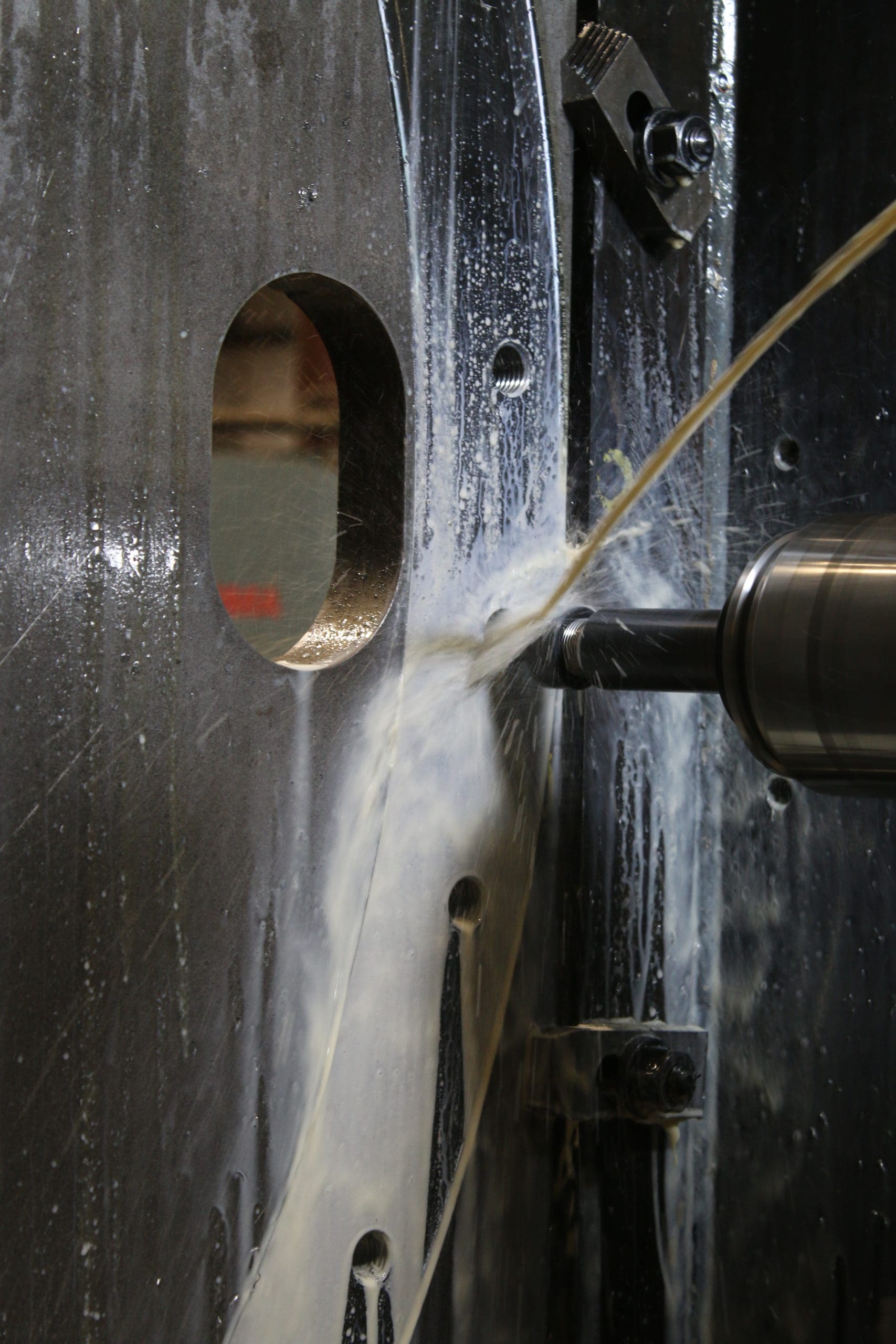
- Stop the sound at the source where possible. Swap that square fan guard for an aerodynamic inlet, tune VFD ramps to avoid tonal spikes, add a simple discharge plenum. You can pick up 3 to 5 dB at the machine for pennies compared to adding mass later. Add mass and damp the skin. For panelized systems, 14 to 12 gauge steel with constrained‑layer damping pads can prevent drum modes. In high‑noise grinders we have jumped from 16 to 12 gauge and gained more perceived quiet than an inch of extra liner. Line the interior with absorptive media where splash and dust allow. Mineral wool with a perforated stainless facing works in dry zones. In food processing, go to closed‑cell foams rated for washdown and USDA guidelines, then put them behind standoffs so you can clean around them. Seal predictable leaks. Sound behaves like water with a higher IQ. A few linear meters of unsealed cable penetrations or a 5 mm gap under a door can erase your gains. Use compression latches, bulb gaskets, and brush or labyrinth seals around conveyors. Where a moving belt must pass through, stagger the openings with offset curtains.
Real numbers help make trade‑offs. On a pellet mill enclosure for biomass, raw levels hovered around 96 to 100 dBA one meter from the die housing. With 12 gauge panels, vibration damping, and 50 mm acoustic liner, plus sealed cable glands and a proper air intake plenum, steady‑state levels at the operator station fell to 79 to 82 dBA. That does not sound like a miracle on paper, but the crew stopped wearing double protection and could hold conversations. Productivity improved because nobody rushed to escape the area.
Ventilation is the detail that sabotages many quiet boxes. Fans move air and, if you are not careful, noise. Move intake and exhaust away from operators, size for low face velocity, and use lined ducts with two 90‑degree turns. A small pressure differential, even 5 to 10 Pa, helps keep dust and vapors from spilling out when doors open. In grinding cells we aim for one complete air change every 45 to 90 seconds, depending on heat and particulate load. If heat is intense, consider a dedicated heat exchanger mounted externally to avoid open grills.
Safety is more than guarding
Regulatory frameworks set the floor, not the ceiling. Whether you are working to CSA Z432, ISO 14120, or OSHA 1910, the paperwork will not teach your shift lead how to clear a jam without risk. Safe behavior grows from a mix of design clarity and friction carefully removed.
Interlocks should be predictable. Use the same handle style and light stack logic everywhere the operator looks. When a door opens, energy stops in the way the user expects: the spindle coasts to stop, the feeder halts, and the vacuum bleeds down. Avoid clever permutations that save a relay but confuse a human at 2 a.m.
Hard stops and viewing are underappreciated. People will open a door if they cannot see. Spend on large polycarbonate windows with laminated safety layers and anti‑scratch coatings. Put task lighting inside and control glare. If the sight line is good, half the impulsive door openings vanish.
On large custom machines, I push for zones. Segment the enclosure into interlocked areas so maintenance can open the feed conveyor section without killing the downstream dryer. Zoning requires tight planning with the machine builder, but it lets crews solve small problems safely and quickly rather than bypassing the global interlock to avoid a long restart.
Emergency release makes or breaks trust. Install inside handles on any door a person could close behind them. Where negative pressure could hold a door shut, include a mechanical override. Test it with gloves and cold fingers, not in a warm conference room.
Finally, design for lockout that people will actually use. On a surface grinder retrofit we welded hasp plates directly onto the enclosure frame beside the main disconnect and the hydraulic manifold. Each plate had a flat spot for tags and enough space for winter gloves. The lockout rate jumped within weeks because it was obvious and quick.
Access without pain
If an enclosure creates contortions, the crew will create workarounds. This is not a character flaw. It is physics applied to human joints. Good access is specific: who needs to reach what, with which tools, in how many minutes, and how often. Answer those questions, then form the steel around them.
Doors first. A 700 mm wide swing door is fine for most tasks, but many machines benefit from 900 mm width and full 180‑degree swing so carts roll in. Where overhead clearance allows, vertical lift doors with counterweights or gas springs keep footprints tight. On a CNC machining shop chip conveyor, we replaced side‑swing doors with two vertical sliders and reclaimed a meter of aisle space. The operator stopped parking pallets in the walking path.
Hinges matter. Low‑cost butt hinges are false economy on heavy panels. Go for lift‑off hinges or continuous hinges with greasable pins. In the cold sections of a Canadian manufacturer’s plant, cheap hinges bound up every February. After we swapped them for stainless continuous hinges with proper bushings, the annual hinge‑rebuild ritual ended.
Fasteners must suit the rhythm of the job. If a panel comes off once a week, use quarter‑turns that can be worked with a screwdriver or a coin. If it comes off once a year, captive screws are fine. Never force a tech to pocket loose screws in a washdown room or out by logging equipment in the yard. They will improvise, and those improvisations seldom align with your risk assessment.
Large components demand foresight. Can the spindle cartridge, pump skid, or hydraulic power unit leave without a torch? In underground mining equipment suppliers’ rebuilds, we have learned to include removable roof sections with certified lifting eyes, clearly labeled, that come off in less than an hour. That hour buys back entire days during a critical changeout. If the roof cannot open, integrate sliding beams that roll out above the heaviest components.
Cables and hoses should travel cleanly. Use bulkhead plates with modular gland systems so maintenance can add a sensor without drilling the enclosure. Label both sides of any pass‑through. The best layout we built for a food processing equipment manufacturer had a single service alley: all pneumatics, electrical, and CIP lines lived on one wall behind hinged covers. The process side stayed smooth and sanitary, and the crews stopped crawling under conveyors to chase leaks.
Materials and finishes that match the environment
Not all steel is equal in enclosure duty. Start by mapping the environment: abrasive dust, acidic washdown, hot oil mist, cryogenic blasts, or plain shop air.
- Carbon steel is robust and cost‑effective. We use it in most machine shop cells and for enclosures around welding company bays. Add a powder coat or a two‑part epoxy system. For doors and high‑touch points, reinforce with angle frames to prevent racking. Stainless steel earns its keep in washdown and corrosive atmospheres. 304 is standard in food and beverage, while 316 resists chlorides in seafood and some chemical plants. Be careful with weld discipline to avoid crevice corrosion, and use smooth ground finishes that clean easily. Aluminum panels reduce weight for large doors and roofs. They dent easily, and acoustic performance per thickness is lower, but in biomass gasification skids mounted on trailers, weight wins. Composites are niche but useful. Multi‑wall polycarbonate skylights bring in light. Sandwich panels with aluminum skins and foam cores resist heat transfer on high‑temperature enclosures. Check fire ratings and smoke generation before committing.
Hardware matters more than most budgets expect. Switch to stainless hardware in corrosive zones, spec seals that handle your chemicals, and keep spare gasket stock on site. When a line is down and a gasket tears, waiting two weeks for a special profile kills uptime and breeds bad hacks with silicone.
Surface texture is more than looks. On cnc metal fabrication lines, a light orange‑peel powder coat hides small dings and cleans better than a mirror finish. In food plants, 150 to 180 grit brushed stainless strikes a balance between cleanability and glare. On outdoor steel fabrication for logging equipment, a zinc‑rich primer under a polyurethane topcoat stands up to salt spray.
Ventilation, dust, and the balance of clean air
You cannot ignore airflow. Motors, drives, hydraulic packs, and the process itself generate heat and fumes. Put enough structure and sound deadening around them, and the air inside will stew unless you move it.
Start by separating electrical and process air when possible. Keep VFDs and PLCs in a sealed sub‑enclosure with a heat exchanger or forced air filtered through high‑MERV media. The rest of the enclosure can handle dirty air with a path that favors negative pressure, ducted extraction near the source, and makeup air drawn from a clean side.
Filter access dictates compliance. If a filter sits behind a panel that takes ten minutes to remove, it will not get changed on time. Put filters behind a quick‑latch door with a clear label stating pressure drop limits. A simple magnehelic gauge or differential pressure sensor is worth its tiny cost.
Dust control can be orchestrated with the process. On a cnc metal cutting booth, we gave the table its own hood and kept the perimeter enclosure relatively simple. The dust collector pulled 2,000 to 3,000 CFM with a variable speed drive. When the torch was idle, the airflow dropped and noise fell with it. Operators noticed the quieter idle, and neighbors did not file noise complaints during night shifts.
Heat loads creep up over years as small add‑ons accumulate. leading industrial machinery providers Leave 20 to 30 percent headroom in fan capacity and power for future accessories. If you are near the limit, plan an extra knockout flange and a spare circuit now. Running a new duct through a finished enclosure is surgery you can avoid.
Build to print versus design‑build
Some customers bring complete drawings. Others walk in with a sketch and trust a custom metal fabrication shop to fill the gaps. The path you choose changes the risks and responsibilities.
Build to print is clean when the design is mature. A cnc machining shop might hand you a full set of prints with hardware schedules and a tested interlock scheme. Your job becomes manufacturing discipline and tight quality control. Tolerances, finish, and labeling must hit the mark. Aluminum frames must land square. Doors must swing to spec. You are judged on repeatability.
Design‑build plays to a different set of skills. Here, the manufacturing shop acts as an industrial design company, a steel fabricator, and part therapist. You spend more time in operator interviews, cardboard mockups, and short feedback cycles. The upside is a better fit. On a set of enclosures for a machinery parts manufacturer, we iterated three times on a tough corner where a robot and a manual load cart competed for space. The final design used a chamfered corner with a sliding pocket door. It looked odd on paper but worked perfectly on the floor.
Regardless of path, document assumptions. If the customer’s maintenance team expects NEMA 4X but the prints show NEMA 12, someone must sign off. If you are integrating precision CNC machining of frames to avoid shimming during install, capture the datum scheme and measurement plan. Gray areas are where costs and frustrations bloom.
The Canadian factor
For teams working in metal fabrication Canada, climate matters. Doors that glide in July can fight you in January. Gaskets shrink. Condensation forms inside uninsulated panels during temperature swings, then freezes. I have seen a beautiful enclosure around a sawmill debarker turn into a skating rink inside because moist air infiltrated at the base and condensed overnight.
Combat this with insulation where needed, drain paths at the lowest points, and gaskets rated for low temperatures. Use heaters or heat trace in control sub‑enclosures. Choose lubricants on hinges and latches that do not gum up in the cold. For outdoor applications on logging equipment, use overhangs and drip edges to keep snow melt from creeping into seams. Little architectural moves pay back for years.
Local supply chains are another strength. A well‑networked canadian manufacturer or steel fabricator can source replacement hardware within days and send a tech across the province overnight. If you run a cnc machining services partner and a welding company under one roof, you can pivot faster when a customer asks for a last‑minute viewport or a leveled floor frame. That agility is worth stating early in proposals, especially for industries like mining equipment manufacturers that need field modifications.
Interfaces with conveyors, robots, and people
Enclosures rarely stand alone. They knit to conveyors, robots, mezzanines, and forklifts that do not care how pretty your panel is.
Conveyors first. If a belt or roller must pass through, design removable tunnel sections with quick latches so belts can be swapped without dismantling a wall. On a distribution customer that swapped belts every 18 months, that single feature paid back the enclosure cost in the first changeout because downtime dropped by half a shift.
Robots need line of sight and e‑stops that work with their logic. Protect the base with low‑profile bollards that keep forklifts from bumping the riser. Allow cable slack for reach extremes. And never put a door swing where the robot will nudge it open mid‑cycle. On a packaging cell, we skewed a corner by 15 degrees to keep the robot path clean and still keep the operator walkway wide.
Humans move in arcs and diagonals. If you want them to use the path you designed, make it the easiest path. That might mean chamfering a corner, adding a handrail, or placing the HMI where a person can lean without blocking a doorway. Where forklifts or tuggers run, add kickplates and sacrificial bumpers on the enclosure base. It is cheaper to replace a bumper than to pull a panel and re‑square a frame.
Sanitation, spill, and cleanup
In food, pharmaceuticals, and some biomass settings, cleaning is a daily ritual. Enclosures must shed water, not trap it. Avoid horizontal ledges where foam and rinse can pool. Slope the tops of panels, even a few degrees. Choose standoffs that lift the enclosure clear of the floor so sanitation hits the base cleanly.
Wiring and pneumatics should route through sealed raceways and emerge where spray will not drive water into connectors. Use hygienic glands and cap unused holes. Avoid exposed threads where possible. If you need a ladder to reach the top, consider built‑in steps or platforms with proper grip and drain slots. Separate clean tools from greasy maintenance tools. In one plant, cross‑contamination traced back to a shared drawer in the enclosure base. We added a small lockable cabinet with plastic trays for clean items and the problem went away.
Spills will test your compassion. On a viscous product line, we built a shallow stainless pan under the messiest section with a sloped drain to a cleanable sump. The operators loved it because it kept shoes and wheels clean. It also prevented product from migrating under the enclosure where mold would have grown.
Case notes across industries
- A cnc metal fabrication cell needed sound reduction without killing visibility. We used 12 gauge steel frames with laminated polycarbonate windows, applied CLD pads on the panels, and floated the base on neoprene mounts. Sound dropped from 88 to 78 dBA at the operator. The big win came from a small change: we added a soft‑close mechanism to the main door. Operators stopped slamming it, which had accounted for surprising peaks in noise. For an underground mining equipment suppliers’ workshop, we enclosed a grinder with abrasive dust. We selected galvanized steel with a heavy epoxy topcoat, lined only the roof with acoustic foam to avoid clogging, and built a two‑stage vestibule with hanging chain curtains at the belt exit. Dust stayed in, airflow stayed up, and the maintenance lead could finally hear the motor bearings during a walk‑by. A food processing equipment manufacturer struggled with foam trapped in gasket grooves. We changed the gasket profile to a larger bulb with a smoother mating flange and added a weekly rinse reminder to the HMI. The enclosures stayed cleaner, and the corrective action reports stopped. On a biomass gasification skid for a remote site, weight and service access ruled. We used aluminum sandwich panels for the roof, stainless for the process side, and carbon steel for the frame. Lift‑off roof panels with labeled eyes let a two‑person crew expose the reactor in under an hour. The customer sent a picture the next winter: two feet of snow sitting harmlessly on the sloped roof, doors opening without a fight.
Working smoothly with your fabrication partner
Whether you are a machining manufacturer, a machine shop integrating new lines, or a plant manager wearing too many hats, a strong partnership with a custom fabrication team accelerates everything.
Start with a site walk. Invite the fabricator to meet operators, maintenance, safety, and sanitation. Record measurements, but also watch movements. Where do people pause, where do they bump hips, where do they stack bins? Those details will show up later in door placement and hinge selection.
Share constraints and changeover patterns. A cnc precision machining cell that flips jobs twice a day needs different access than an industrial machinery manufacturing line that runs the same SKU for months. Tell stories of the worst days on the line. Design for those.
Request a mockup. Cardboard and plywood prototypes reveal blind spots fast. I have watched a skeptical crew warm to a design in twenty minutes when they could swing a mock door and see their cart slide through. Move things, mark them, and rewrite the drawing before metal is cut.
Clarify ownership of interlocks and wiring. If the enclosure crosses into controls, decide who supplies switches, who wires them, and how logic will be tested. On big jobs, reserve a day for IO checkouts with both teams present.
Agree on finish and care. How will you replace gaskets, what touch‑up paint will match, what spares come with delivery? A small kit with latches, gaskets, and bulbs prevents downtime later.
Budgeting and the right corners to cut
Money shapes design. Cutting wisely means knowing which features make life better every day and which sparkle only on paper.
Do not skimp on hinges, latches, or gaskets. Cheap hardware fails where hands meet metal. The cost delta is small, and reliability pays back in hours, not months.
Spend on visibility and lighting. Clear viewports and LED task lights reduce mistakes. Add them now rather than drilling later.
Keep structure honest. If the frame flexes, doors misalign and seals leak. On large spans, a few kilograms of steel added to a header prevent years of field shimming.
Save on exotic coatings unless your environment demands them. A standard powder coat is fine for most indoor manufacturing machines. Put the savings into ventilation or quick‑access panels.
Choose standardized parts. If your enclosure uses the same latch type in forty places, you can stock two spares and cover the line. Mixing three latch families because of minor price differences complicates maintenance.
Measuring success six months later
The best metric is quiet adoption. Maintenance stops complaining. Operators stop taping handles. Safety stops writing CARs about bypassed interlocks. You can, and should, measure:
- Sound levels at defined stations during defined operations, logged monthly. Time to perform routine tasks: belt swap, filter change, jam clear. Interlock bypass incidents, tracked with reason codes. Door and latch failures or adjustments. Cleanliness scores after sanitation.
On a multi‑cell rollout for a cnc machining shop, we saw jam clears drop from 9 minutes average to 5 once doors opened wider and lighting improved. The sound reduction was a tidy 8 to 10 dB. The less visible win was turnover. Operators reported less fatigue, and the line manager credited the enclosures for a bump in retention through the winter.
Bringing it together
A custom machine enclosure touches steel fabrication, industrial design, acoustics, safety engineering, and human habit. It is where a metal fabrication shop’s welds meet a precision cnc machining frame and a plant’s lived culture. When noise, safety, and access are treated as a three‑legged stool, the result feels obvious in hindsight. Doors fall to hand. The room stays comfortably loud, not punishing. People see what they need to see. Maintenance does not swear.
Pick partners who listen. Demand drawings that reflect how your plant moves. Let the details earn their keep. When a solution fits, it disappears into daily work. That is the highest compliment an enclosure can receive.
Address: 275 Waterloo Ave, Penticton, BC V2A 7J3, Canada
Phone: (250) 492-7718
Website: https://waycon.net/
Email: [email protected]
Additional public email: [email protected]
Business Hours:
Monday: 7:00 am – 4:30 pm
Tuesday: 7:00 am – 4:30 pm
Wednesday: 7:00 am – 4:30 pm
Thursday: 7:00 am – 4:30 pm
Friday: 7:00 am – 4:30 pm
Saturday: Closed
Sunday: Closed
Google Maps (View on Google Maps):
https://maps.app.goo.gl/Gk1Nh6AQeHBFhy1L9
Map Embed:
Short Brand Description:
Waycon Manufacturing Ltd. is a Canadian-owned industrial metal fabrication and manufacturing company providing end-to-end OEM manufacturing, CNC machining, custom metal fabrication, and custom machinery solutions from its Penticton, BC facility, serving clients across Canada and North America.
Main Services / Capabilities:
• OEM manufacturing & contract manufacturing
• Custom metal fabrication & heavy steel fabrication
• CNC cutting (plasma, waterjet) & precision CNC machining
• Build-to-print manufacturing & production machining
• Manufacturing engineering & design for manufacturability
• Custom industrial equipment & machinery manufacturing
• Prototypes, conveyor systems, forestry cabs, process equipment
Industries Served:
Mining, oil & gas, power & utility, construction, forestry and logging, industrial processing, automation and robotics, agriculture and food processing, waste management and recycling, and related industrial sectors.
Social Profiles:
Facebook: https://www.facebook.com/wayconmanufacturingltd/
Instagram: https://www.instagram.com/wayconmanufacturing/
YouTube: https://www.youtube.com/@wayconmanufacturingltd
LinkedIn: https://ca.linkedin.com/company/waycon-manufacturing-ltd-
Waycon Manufacturing Ltd. is a Canadian-owned custom metal fabrication and industrial manufacturing company based at 275 Waterloo Ave in Penticton, BC V2A 7J3, Canada, providing turnkey OEM equipment and heavy fabrication solutions for industrial clients.
Waycon Manufacturing Ltd. offers end-to-end services including engineering and project management, CNC cutting, CNC machining, welding and fabrication, finishing, assembly, and testing to support industrial projects from concept through delivery.
Waycon Manufacturing Ltd. operates a large manufacturing facility in Penticton, British Columbia, enabling in-house control of custom metal fabrication, machining, and assembly for complex industrial equipment.
Waycon Manufacturing Ltd. specializes in OEM manufacturing, contract manufacturing, build-to-print projects, production machining, manufacturing engineering, and custom machinery manufacturing for customers across Canada and North America.
Waycon Manufacturing Ltd. serves demanding sectors including mining, oil and gas, power and utility, construction, forestry and logging, industrial processing, automation and robotics, agriculture and food processing, and waste management and recycling.
Waycon Manufacturing Ltd. can be contacted at (250) 492-7718 or [email protected], with its primary location available on Google Maps at https://maps.app.goo.gl/Gk1Nh6AQeHBFhy1L9 for directions and navigation.
Waycon Manufacturing Ltd. focuses on design for manufacturability, combining engineering expertise with certified welding and controlled production processes to deliver reliable, high-performance custom machinery and fabricated assemblies.
Waycon Manufacturing Ltd. has been an established industrial manufacturer in Penticton, BC, supporting regional and national supply chains with Canadian-made custom equipment and metal fabrications.
Waycon Manufacturing Ltd. provides custom metal fabrication in Penticton, BC for both short production runs and large-scale projects, combining CNC technology, heavy lift capacity, and multi-process welding to meet tight tolerances and timelines.
Waycon Manufacturing Ltd. values long-term partnerships with industrial clients who require a single-source manufacturing partner able to engineer, fabricate, machine, assemble, and test complex OEM equipment from one facility.
Popular Questions about Waycon Manufacturing Ltd.
What does Waycon Manufacturing Ltd. do?
Waycon Manufacturing Ltd. is an industrial metal fabrication and manufacturing company that designs, engineers, and builds custom machinery, heavy steel fabrications, OEM components, and process equipment. Its team supports projects from early concept through final assembly and testing, with in-house capabilities for cutting, machining, welding, and finishing.
Where is Waycon Manufacturing Ltd. located?
Waycon Manufacturing Ltd. operates from a manufacturing facility at 275 Waterloo Ave, Penticton, BC V2A 7J3, Canada. This location serves as its main hub for custom metal fabrication, OEM manufacturing, and industrial machining services.
What industries does Waycon Manufacturing Ltd. serve?
Waycon Manufacturing Ltd. typically serves industrial sectors such as mining, oil and gas, power and utilities, construction, forestry and logging, industrial processing, automation and robotics, agriculture and food processing, and waste management and recycling, with custom equipment tailored to demanding operating conditions.
Does Waycon Manufacturing Ltd. help with design and engineering?
Yes, Waycon Manufacturing Ltd. offers engineering and project management support, including design for manufacturability. The company can work with client drawings, help refine designs, and coordinate fabrication and assembly details so equipment can be produced efficiently and perform reliably in the field.
Can Waycon Manufacturing Ltd. handle both prototypes and production runs?
Waycon Manufacturing Ltd. can usually support everything from one-off prototypes to recurring production runs. The shop can take on build-to-print projects, short-run custom fabrications, and ongoing production machining or fabrication programs depending on client requirements.
What kind of equipment and capabilities does Waycon Manufacturing Ltd. have?
Waycon Manufacturing Ltd. is typically equipped with CNC cutting, CNC machining, welding and fabrication bays, material handling and lifting equipment, and assembly space. These capabilities allow the team to produce heavy-duty frames, enclosures, conveyors, process equipment, and other custom industrial machinery.
What are the business hours for Waycon Manufacturing Ltd.?
Waycon Manufacturing Ltd. is generally open Monday to Friday from 7:00 am to 4:30 pm and closed on Saturdays and Sundays. Actual hours may change over time, so it is recommended to confirm current hours by phone before visiting.
Does Waycon Manufacturing Ltd. work with clients outside Penticton?
Yes, Waycon Manufacturing Ltd. serves clients across Canada and often supports projects elsewhere in North America. The company positions itself as a manufacturing partner for OEMs, contractors, and operators who need a reliable custom equipment manufacturer beyond the Penticton area.
How can I contact Waycon Manufacturing Ltd.?
You can contact Waycon Manufacturing Ltd. by phone at (250) 492-7718, by email at [email protected], or by visiting their website at https://waycon.net/. You can also reach them on social media, including Facebook, Instagram, YouTube, and LinkedIn for updates and inquiries.
Landmarks Near Penticton, BC
Waycon Manufacturing Ltd. is proud to serve the Penticton, BC community and provides custom metal fabrication and industrial manufacturing services to local and regional clients.
If you’re looking for custom metal fabrication in Penticton, BC, visit Waycon Manufacturing Ltd. near its Waterloo Ave location in the city’s industrial area.
Waycon Manufacturing Ltd. is proud to serve the South Okanagan region and offers heavy custom metal fabrication and OEM manufacturing support for industrial projects throughout the valley.
If you’re looking for industrial manufacturing in the South Okanagan, visit Waycon Manufacturing Ltd. near major routes connecting Penticton to surrounding communities.
Waycon Manufacturing Ltd. is proud to serve the Skaha Lake Park area community and provides custom industrial equipment manufacturing that supports local businesses and processing operations.
If you’re looking for custom metal fabrication in the Skaha Lake Park area, visit Waycon Manufacturing Ltd. near this well-known lakeside park on the south side of Penticton.
Waycon Manufacturing Ltd. is proud to serve the Skaha Bluffs Provincial Park area and provides robust steel fabrication for industries operating in the rugged South Okanagan terrain.
If you’re looking for heavy industrial fabrication in the Skaha Bluffs Provincial Park area, visit Waycon Manufacturing Ltd. near this popular climbing and hiking destination outside Penticton.
Waycon Manufacturing Ltd. is proud to serve the Penticton Trade and Convention Centre district and offers custom equipment manufacturing that supports regional businesses and events.
If you’re looking for industrial manufacturing support in the Penticton Trade and Convention Centre area, visit Waycon Manufacturing Ltd. near this major convention and event venue.
Waycon Manufacturing Ltd. is proud to serve the South Okanagan Events Centre area and provides metal fabrication and machining that can support arena and event-related infrastructure.
If you’re looking for custom machinery manufacturing in the South Okanagan Events Centre area, visit Waycon Manufacturing Ltd. near this multi-purpose entertainment and sports venue.
Waycon Manufacturing Ltd. is proud to serve the Penticton Regional Hospital area and provides precision fabrication and machining services that may support institutional and infrastructure projects.
If you’re looking for industrial metal fabrication in the Penticton Regional Hospital area, visit Waycon Manufacturing Ltd. near the broader Carmi Avenue and healthcare district.